

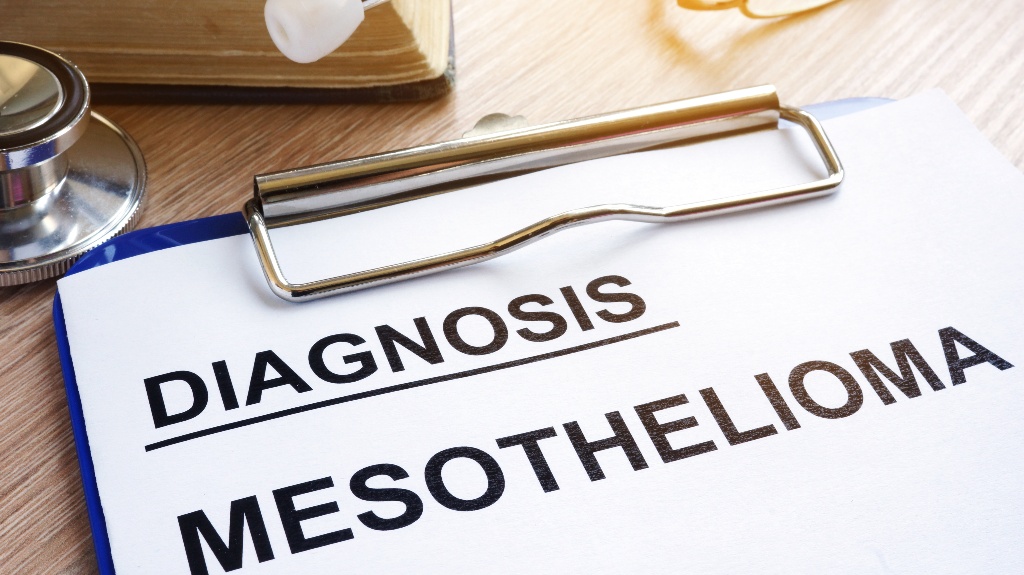
Talcum powder is used in so many households. Whether it’s used for babies, personal hygiene routines, or cosmetics, it can also carry risks. Talc is the soft mineral in talcum powder, which on its own is safe. However, it can be contaminated with asbestos because the two minerals are commonly found near each other in the earth. Millions of people may have inhaled asbestos fibers without ever knowing it.
At Edward O. Moody, P.A., our asbestos injury attorneys are ready to help. If you were exposed to asbestos through contaminated talcum powder, we are here to help.
Why Talcum Powder Can Contain Asbestos
Talcum powder uses talc as a primary ingredient. Talc is a mineral, and occurs naturally around the world. It is minded all over the globe. Unfortunately, talc happens to form in the same general areas as asbestos materials, such as tremolite and actinolite. During the mining process, talc can be mixed with asbestos fibers if it is not properly purified and tested.
For many decades, talcum powder manufacturers would claim their talc was asbestos free. However, internal documents shows that companies were actually very aware of the risks, even as early as the 1970s. Even with that knowledge, they decided to sell their products without warning consumers, all in the name of making more money.
How Asbestos in Talc Causes Mesothelioma
Contaminated talcum powder exposes you to asbestos fibers. Once inside the body, the fibers lodge themselves in the lining of your:
- Lungs
- Abdomen
- Heart
This causes inflammation and cellular damage. This in turn can lead to cancer and mesothelioma.
Talcum powder creates a very fine, airborne dust when it is used. If the dust contains even tiny amounts of asbestos, this can lead to very serious health risks, such as:
- Pleural mesothelioma (cancer of the lung lining)
- Peritoneal mesothelioma (cancer of the abdominal lining)
- Other asbestos-related diseases, including lung cancer and asbestosis
Many victims have no idea that their diagnosis is linked to talcum powder, because mesothelioma may not appear for 20 to 50 years. However, many legal cases have properly connected the cause of their injury and won them substantial compensation.
Who Is Most at Risk?
Anyone who used contaminated talcum powder could be at risk. However, certain groups face even higher risks:
- Long-term users of cosmetic talc, including baby powder and body powders
- Women who used talc for personal hygiene, a practice heavily marketed for decades
- Barbers, salon workers, and makeup artists who used talc-based cosmetic products
- Industrial workers exposed to talc in manufacturing settings
- Infants and children who were regularly dusted with talcum powder
What Manufacturers Knew and Why It Matters
One aspect that is very disturbing is that manufacturers were aware of the risks for decades, and never warned consumers. There were internal memos and testing reports that showed the risks. Corporate correspondence was also uncovered during litigation that showed:
- Instances of asbestos detected in talc samples
- Efforts to influence or limit regulatory oversight
- Marketing strategies targeting women and infants despite contamination concerns
- Decisions to continue selling talc products without warnings
How Victims Can Prove Exposure
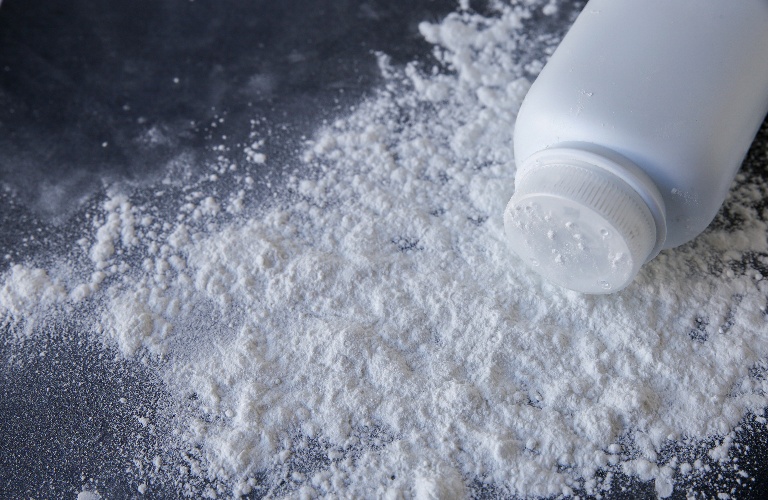
Mesothelioma cases involving talcum powder often rely on a combination of:
- Medical records that show you have mesothelioma
- Product identification, such as receipts, packaging, or testimony about long-term use
- Expert analysis showing asbestos contamination in the product
- Corporate documents demonstrating the manufacturer’s knowledge of risks
Seek the Compensation You Deserve After Asbestos Exposure From Talcum Powder
The connection between contaminated talcum powder and asbestos is well-documented. It can also have life-altering consequences. Victims deserve to know the truth, and have the right to seek compensation for the injuries they’ve sustained.
Let the dedicated asbestos injury attorneys at Edward O. Moody, P.A. review your case. Contact us today for a consultation.