Silica / Countertop & Fabricated Materials Exposure Attorney Little Rock, AR

Silica dust exposure has become one of the most dangerous occupational hazards of our time. With the rise of artificial stone countertops and fabricated building materials, thousands of workers across Arkansas, Texas, and the United States have unknowingly inhaled toxic silica dust — leading to serious, often fatal, health conditions.
At Edward O. Moody, P.A., our silica exposure attorneys in Little Rock, AR represent workers, families, and consumers harmed by this silent danger. We are committed to holding negligent employers, manufacturers, and corporations accountable while fighting for the compensation our clients need and deserve.
What Is Silica and Why Is It Dangerous?
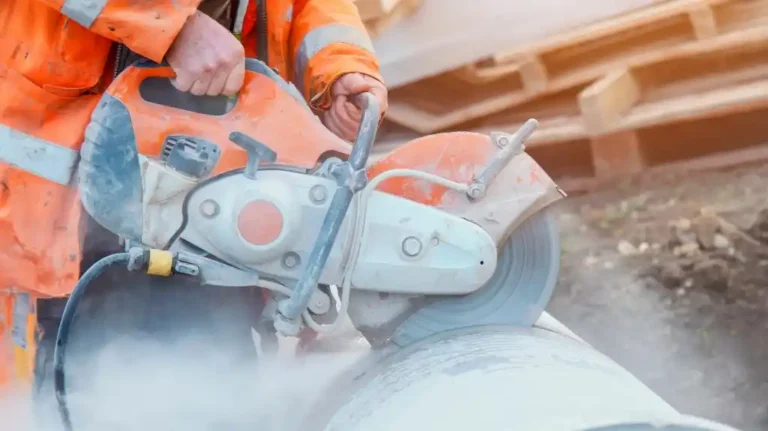
Silica, also known as crystalline silica, is a natural mineral found in stone, sand, and concrete. When workers cut, grind, drill, or polish materials like engineered stone countertops or tile, microscopic silica particles are released into the air.
These particles are invisible to the naked eye and can be inhaled deep into the lungs, where they cause permanent scarring and life-altering damage. Even limited exposure can be dangerous without proper protective measures.
The composition of engineered stone, particularly quartz countertops, may contain up to 90-95% crystalline silica, which is significantly higher than in natural stone alternatives. This high concentration makes the dust from these materials exponentially more dangerous for workers who fabricate, install, or modify them. The manufacturing process involves binding crushed quartz with resins and polymers to create an extremely hard surface, which produces fine, respirable dust particles during cutting and finishing work.
Many workers in fabrication facilities spend 8 to 12 hours daily exposed to hazardous conditions, often without realizing the long-term health effects. The dust from these conditions settles on skin, clothes, and work surfaces, creating a continuous exposure pathway. Unlike some workplace hazards that cause immediate symptoms, silica exposure works silently – workers may feel healthy for years before lung damage becomes apparent.
Silica Dust and Countertop Workers: What Legal Rights Do You Have in Arkansas?
Diseases Caused by Silica Dust Exposure
Exposure to silica dust has been linked to multiple serious illnesses, including:
- Silicosis – a progressive, incurable lung disease that severely reduces lung function and life expectancy.
- Kidney failure – long-term silica exposure can lead to chronic kidney damage.
- Chronic obstructive pulmonary disease (COPD) – including chronic bronchitis and emphysema.
- Lung cancer – silica is classified as a known carcinogen.
- Other respiratory and systemic illnesses can develop over time.
Silicosis can manifest in three different forms: chronic silicosis, which develops after 10-20 years of exposure to silica; accelerated silicosis, which may appear within 5-10 years after high-level exposure; and acute silicosis – a rare and rapidly fatal condition that can occur within months following intense exposure. Each form of silicosis has devastating consequences, including shortness of breath, persistent cough, chest pain, fatigue, and respiratory failure.
In addition to primary respiratory conditions, recent research has linked silica exposure to autoimmune diseases, such as rheumatoid arthritis, lupus, and scleroderma. Silica particles in the lungs trigger an inflammatory response that can spread throughout the body and affect multiple organ systems. Some studies also suggest that silica exposure may increase the risk of tuberculosis, as damaged lungs make workers more susceptible to infectious diseases.
Workers most at risk include those in fabrication shops, construction sites, countertop installation, and tile cutting. Families may also be exposed when dust travels home on clothing, hair, and equipment.
The Growing Epidemic Among Young Workers
Perhaps the most tragic aspect of the current silica exposure crisis is its impact on young workers. Unlike traditional occupational diseases that develop in older workers after decades of exposure, silicosis from engineered stone strikes workers in their 20s and 30s. Medical professionals have reported cases of advanced silicosis in workers who have been in the industry for as few as two to five years, an alarming acceleration that has raised concerns among public health officials across the country.
The engineered stone boom, fueled by consumer demand for durable and attractive countertops, has led to a generation of fabricators facing premature disability and death. These workers, many of whom are immigrants or young people seeking stable employment in a growing industry, are unaware of the life-threatening risks associated with their work environment. The rapid progression of illness in these cases often means that workers are diagnosed with lung disease too late for lung transplantation consideration, leaving them with limited treatment options and significantly reduced life expectancy.
Regulatory Failures and Industry Negligence
Despite warnings from occupational health experts since the early 2000s, the stone industry has been slow to adopt adequate safety measures for workers. The Occupational Safety and Health Administration (OSHA) set permissible exposure limits for crystalline silica in 2016, but enforcement has been inconsistent and many small shops continue to operate with inadequate dust control systems.
Industry associations and manufacturers have been aware of the increased risks associated with materials with high silica content for years. Internal documents and communications from major manufacturers show awareness of potential health risks, but many companies have prioritized profits over worker safety. Adequate ventilation systems, water suppression during cutting, and proper respiratory protection can dramatically reduce exposure, but these measures require investment that some employers are unwilling or unable to make.
Who Can Be Held Liable for Silica Exposure?
For decades, employers and manufacturers have been aware of the dangers of silica dust. Yet many failed to:
- Provide protective equipment such as respirators and proper ventilation.
- Train employees on safe handling and cutting practices.
- Warn workers and consumers about the risks.
Our firm investigates each case thoroughly to determine who is responsible — whether it’s an employer, contractor, product manufacturer, or multiple parties — and builds a strong case for accountability.
Compensation for Silica Exposure Victims
Victims of silica-related illnesses often face overwhelming medical bills, lost income, and emotional hardship. At Edward O. Moody, P.A., we fight to recover damages for:
- Medical treatment and ongoing care (including hospitalizations and long-term treatment).
- Lost wages and reduced earning capacity due to disability or inability to work.
- Pain, suffering, and diminished quality of life.
- Wrongful death claims for surviving family members who lost a loved one.
Why Choose Edward O. Moody, P.A.?
- 40+ years of litigation success in toxic exposure and complex injury cases.
- Licensed in Arkansas and Texas, with the ability to take referrals nationwide.
- Proven results against national law firms and corporate defense teams.
- A compassionate, client-focused approach designed to ease your burden while we fight your case.
Learn More About Asbestos, Mesothelioma & Talc Exposure
Talk to a Silica Exposure Attorney in Little Rock, AR
If you or a loved one has been diagnosed with silicosis, kidney failure, COPD, or another silica-related condition, you may be entitled to significant compensation. Our team is ready to investigate your case, connect you with experts, and fight for justice on your behalf.
Contact Edward O. Moody, P.A. today for a free consultation. We are here to help you and your family move forward.
Common Silica / Countertop & Fabricated Materials Exposure FAQs
Related Articles
-
What Is Silicosis and When Can You Sue in Arkansas?
Silicosis is a dangerous lung disease that affects many Arkansas workers. This is especially true for those that work with stone countertops, in construction, or in manufacturing settings. Industrial and mining workers also face high rates of silicosis. Knowing what this disease is and how it is caused can help you hold the responsible party…
-
What Compensation Is Available in an Arkansas Silica Exposure Lawsuit?
Silica exposure is dangerous, and can cause a great deal of damage to those hurt by it. It is a common occupational hazard for people in the manufacturing, mining, construction, and countertop industries. The particles you inhale can cause life-threatening and painful respiratory conditions. Often, this is because your employer failed to properly protect your…
-
What Is the Statute of Limitations for Mesothelioma in Arkansas?
Mesothelioma is a diagnosis that can be quite frightening. It is a highly aggressive cancer that may pop up decades after you were exposed to asbestos. This means it can be quite a surprise, and you may wonder who is at fault. You may also wonder how long you have to file your claim. You…