
Asbestos, Mesothelioma & Talc Exposure Attorney Little Rock, AR
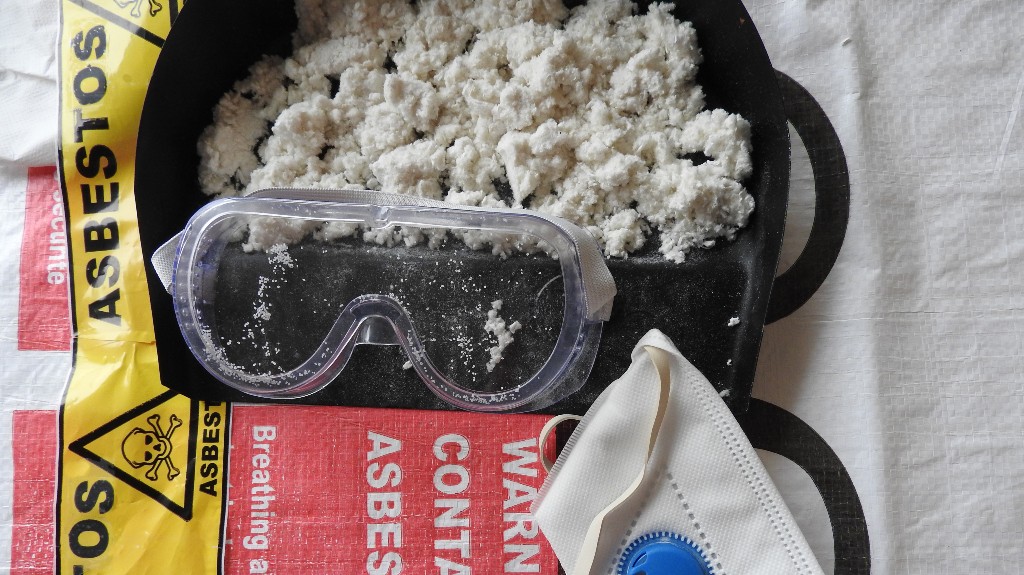
For more than 40 years, Edward O. Moody, P.A. has been at the forefront of asbestos and toxic exposure litigation. Our firm represents workers, families, and individuals in Arkansas, Texas, and nationwide who were unknowingly exposed to asbestos fibers and talc-based products.
We understand the devastating toll of these exposures — not only on physical health, but also on families, careers, and futures. With decades of proven results, our asbestos and mesothelioma attorneys in Little Rock, AR, fight to hold negligent corporations accountable and secure justice for victims.
Understanding Asbestos: A Hidden Danger
Asbestos is a naturally occurring mineral that was once widely used in construction, manufacturing, and industry due to its heat resistance and durability. During most of the 20th century, asbestos was considered a wonder material and was incorporated into thousands of products, including insulation, roofing materials, brake pads, and fireproofing. However, companies often hid the fact that asbestos fibers can cause devastating and sometimes fatal diseases if inhaled or swallowed by workers.
The dangers of asbestos were known to many manufacturers in the 1930s, but they continued to use this material without providing proper warnings or safety measures. This corporate negligence has led to countless preventable deaths and illnesses. Today, although asbestos use is strictly regulated in the United States, many buildings built before the 1980s still contain asbestos, and workers in certain industries still face exposure risks.
Statute of Limitations for Asbestos Claims in Arkansas: What Changes (and What Doesn’t) in 2026
Diseases Linked to Asbestos & Talc Exposure
Asbestos and talc exposure have been directly tied to several serious, life-threatening conditions, including:
- Mesothelioma – a rare and aggressive cancer affecting the lining of the lungs, abdomen, or heart.
- Lung cancer – strongly associated with the inhalation of asbestos fibers.
- Colon, esophageal, throat, and stomach cancers – caused by long-term asbestos exposure.
- Asbestosis – a chronic lung disease marked by severe scarring and breathing difficulties.
- Ovarian cancer and other illnesses – linked to talcum powder products contaminated with asbestos.
These illnesses often appear decades after exposure, which makes legal guidance essential to preserve your rights.
The Latency Period: Why Time Matters
One of the most difficult aspects of asbestos-related illnesses is the long latency period between exposure and diagnosis. Mesothelioma and other asbestos-related conditions can take anywhere from 10 to 50 years to develop after initial exposure.
This long latency period presents unique legal challenges. Witnesses may have passed away, companies may have dissolved or gone bankrupt, and records may be hard to find. That’s why it’s important to work with experienced asbestos litigation lawyers who know how to navigate these complexities and build a strong case, even decades after the exposure occurred.
Who We Represent
Over the years, we have represented thousands of clients exposed while working in high-risk industries, including:
- Insulators and pipefitters
- Boilermakers
- Construction laborers
- Railroad workers
- Shipyard and industrial workers
Many of these hardworking men and women were never warned of the dangers or given proper protective equipment. Families of these workers may also have suffered secondary exposure through asbestos dust brought home on clothing.
Talc Exposure: A Growing Concern
In recent years, concerns about talc exposure have become a significant health issue, especially for women who use talcum powder for feminine hygiene products. Scientific research has linked the use of talc to ovarian cancer, leading to numerous lawsuits against major manufacturers of talcum-based products.
The danger lies in the fact that talc deposits often occur near asbestos deposits in the earth, leading to potential cross-contamination. When talc is mined and processed, it is possible for asbestos fibers to be inadvertently included in the final product. For decades, some manufacturers have failed to adequately test their products or warn consumers about potential contamination, placing millions of users at risk.
Our firm has extensive experience in handling litigation related to talc and understands the complex medical and scientific evidence needed to prove such cases. We collaborate with leading experts who can demonstrate a clear connection between talc use and the development of cancer.
Our Approach to Asbestos & Talc Litigation
Cases involving asbestos and talc are complex and often involve powerful corporations with teams of defense attorneys. At Edward O. Moody, P.A., we bring:
- 40+ years of litigation experience in asbestos and toxic exposure cases.
- Medical and scientific expertise to prove the connection between exposure and disease.
- National reach to pursue claims across state lines.
- Proven results against large corporations and their insurers.
We fight to secure compensation for:
- Medical expenses and ongoing care
- Lost wages and diminished earning capacity
- Pain, suffering, and emotional distress
- Wrongful death damages for surviving families
Our mission is to ease the financial burden for victims and their families while holding corporations accountable for their negligence.
Asbestos Trust Funds: An Additional Avenue for Compensation
Due to the large number of lawsuits related to asbestos, many companies that produced or used the substance filed for bankruptcy. As part of the bankruptcy process, these companies established asbestos trust funds to compensate future victims. Today, there are more than 60 active trust funds with billions of dollars set aside to help victims.
Our attorneys have extensive experience in navigating the asbestos trust fund claims process. We can help you identify all potentially responsible parties and file claims with multiple trust funds on your behalf, ensuring that you receive maximum compensation. This requires detailed documentation of your exposure history and medical conditions, which our team is prepared to gather and present effectively.
Why Choose Edward O. Moody, P.A.?
When faced with a life-changing diagnosis, such as mesothelioma or another asbestos-related illness, choosing the right legal representation can significantly impact the outcome of your case. At our firm, we stand out because:
- Personalized Attention: We treat each client with respect and empathy, understanding that every case is unique and involves a person or family facing significant challenges.
- Comprehensive Support: We can help you connect with medical professionals, support groups, and other resources to assist you during your diagnosis journey.
- We have a proven track record of success. Our attorneys have helped clients secure millions of dollars in verdicts and settlements for victims of asbestos and talc exposure.
Learn More About Silica / Countertop & Fabricated Materials Exposure
Talk to an Asbestos & Mesothelioma Attorney in Little Rock, AR
If you or a loved one has been diagnosed with mesothelioma, asbestosis, lung cancer, ovarian cancer, or another asbestos- or talc-related illness, it is important to seek legal help right away. You may be entitled to significant compensation.
Contact Edward O. Moody, P.A. today for a free consultation with an experienced asbestos and mesothelioma attorney in Little Rock, AR. Our team is ready to stand by your side every step of the way.
Common Asbestos, Mesothelioma & Talc Exposure FAQs
We specialize in representing individuals and families harmed by asbestos and toxic talc exposure. This includes cases involving mesothelioma, lung cancer, asbestosis, ovarian cancer (linked to asbestos-contaminated talc), and other cancers of the colon, throat, esophagus, and stomach. We fight for those who were exposed occupationally or through consumer products.
Workers in high-risk industries are most commonly affected. Our clients have included insulators, pipefitters, boilermakers, construction laborers, railroad workers, and shipyard/industrial workers. Family members who experienced secondary exposure from dust on work clothes may also be at risk. Many employers failed to provide warnings or protective equipment.
These diseases often appear decades after exposure, but once diagnosed, time is critical. Statutes of limitations restrict the window to file a claim. Furthermore, gathering evidence and building a strong case takes time. Consulting an attorney promptly helps preserve your legal rights and ensures vital evidence is secured.
For over 40 years, we have focused on asbestos and toxic exposure litigation. We have the medical and scientific knowledge to prove the link between your illness and exposure. Our national reach allows us to pursue claims across state lines, and we have a proven record of securing results against large corporations and their insurers.
We fight to recover damages for past and future medical expenses, lost wages and earning capacity, pain and suffering, and emotional distress. In cases of wrongful death, we seek compensation for surviving family members, including loss of companionship, funeral costs, and financial support.
Our decades of experience have equipped us with extensive resources to investigate historical exposure. We work with industrial hygienists and maintain databases of products, job sites, and corporate histories. We have a proven track record of reconstructing work histories and proving where and when negligence occurred, even for exposures many years in the past.
Related Articles
-
Can Family Members File a Wrongful Death Claim for Asbestos Exposure in Arkansas?
When a family loses a loved one, it is always a difficult thing to handle. When it happens because of an asbestos-related disease, there may be more you can do about it. Diseases like lung cancer, mesothelioma, and asbestosis are often the fault of your loved one’s former employer, a manufacturer, or other party that…
-
How to File an Asbestos Claim in Arkansas
If you’ve been diagnosed with mesothelioma or another asbestos-related injury, you likely have the right to file a legal claim. Exposure to asbestos often happens from your work or the products you’ve handled. The exposure could be from years or decades ago, and having an attorney to help you trace your exposure can make a…
-
The Connection Between Talcum Powder and Mesothelioma: What Victims Should Know
Talcum powder is used in so many households. Whether it’s used for babies, personal hygiene routines, or cosmetics, it can also carry risks. Talc is the soft mineral in talcum powder, which on its own is safe. However, it can be contaminated with asbestos because the two minerals are commonly found near each other in…